Expanding high-quality career pathways in Texas
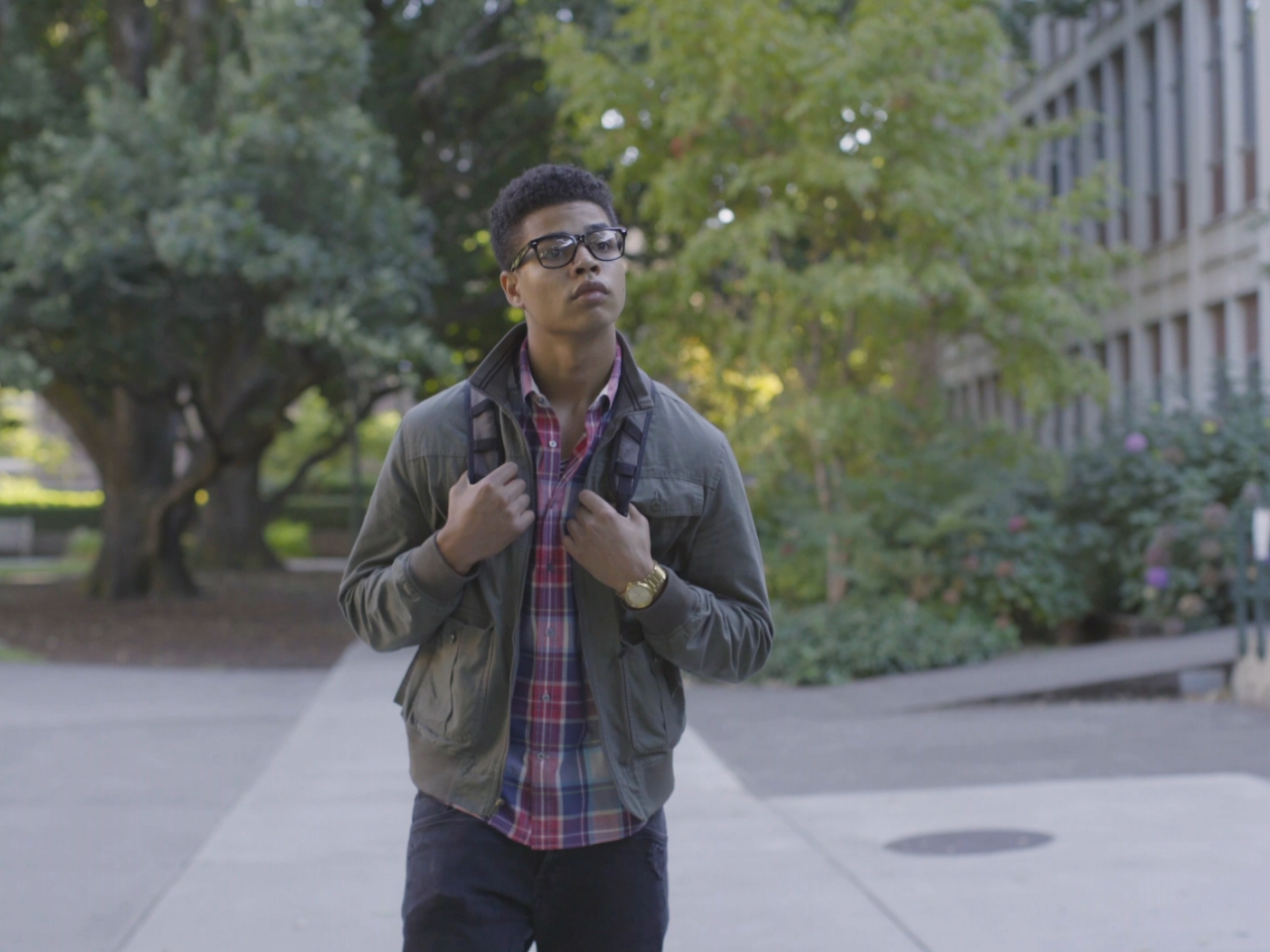

New industries across Texas are rapidly emerging, but too often employers struggle to find local talent to meet these evolving demands. Research shows that students who have high-quality classroom experiences, particularly those that include hands-on and career-connected learning, are more likely to graduate and earn a living wage. The solution to help fuel the talent pipeline is to focus on building intentional and quality academic experiences and curriculum from early grades through postsecondary.
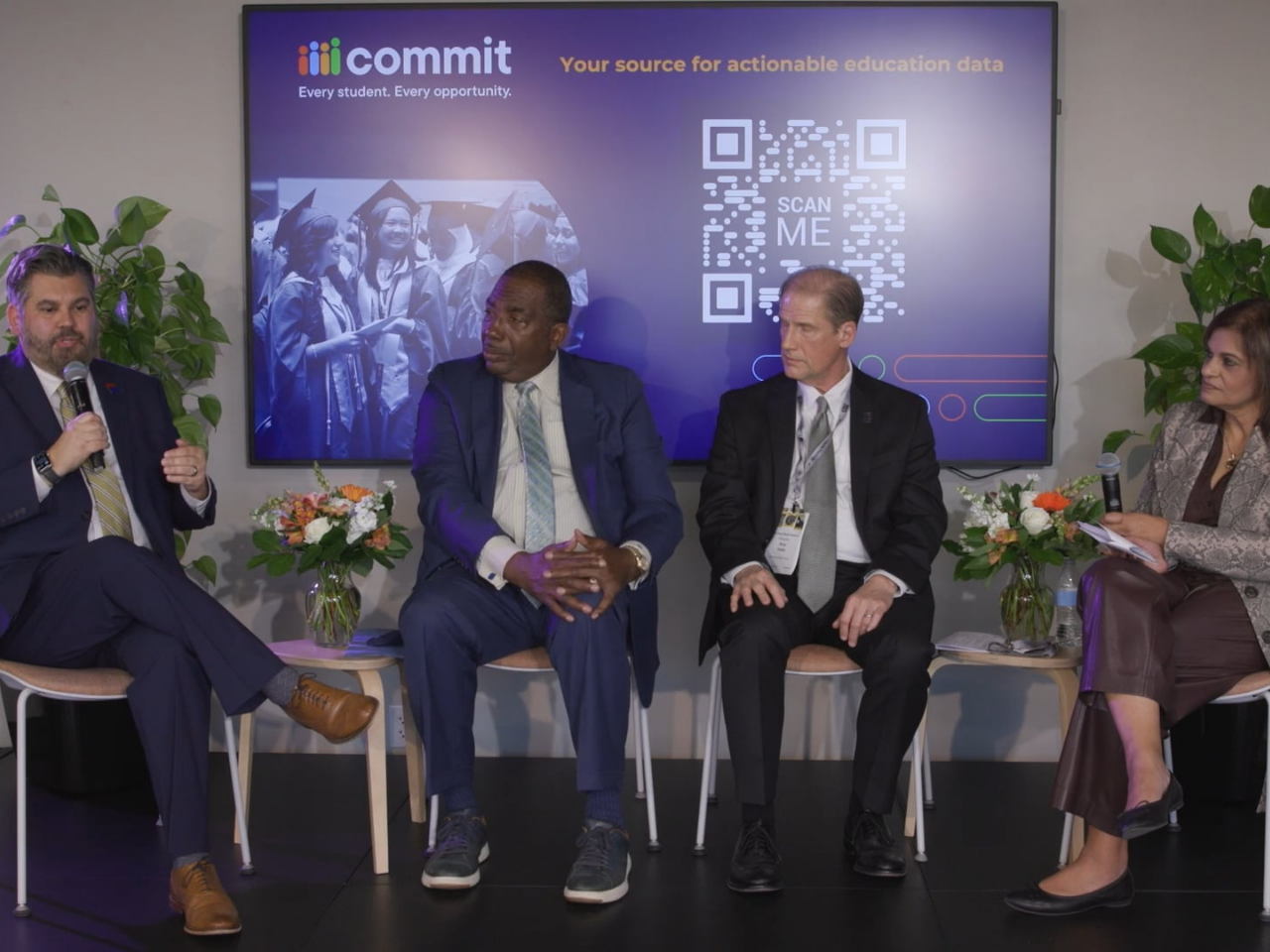
This was the topic of a fireside chat hosted by JPMorgan Chase at the 2025 Texas Tribune Festival. Moderated by Heather Higginbottom, head of Research, Policy and Insights at JPMorgan Chase, the conversation featured Todd Williams from The Commit Partnership, Chancellor Russell Lowery-Hart from Austin Community College and Melissa Johnson from National Skills Coalition discussing the growing needs and changes of Texas’ workforce system and highlighting the need for intentional collaboration among academia, government and business.
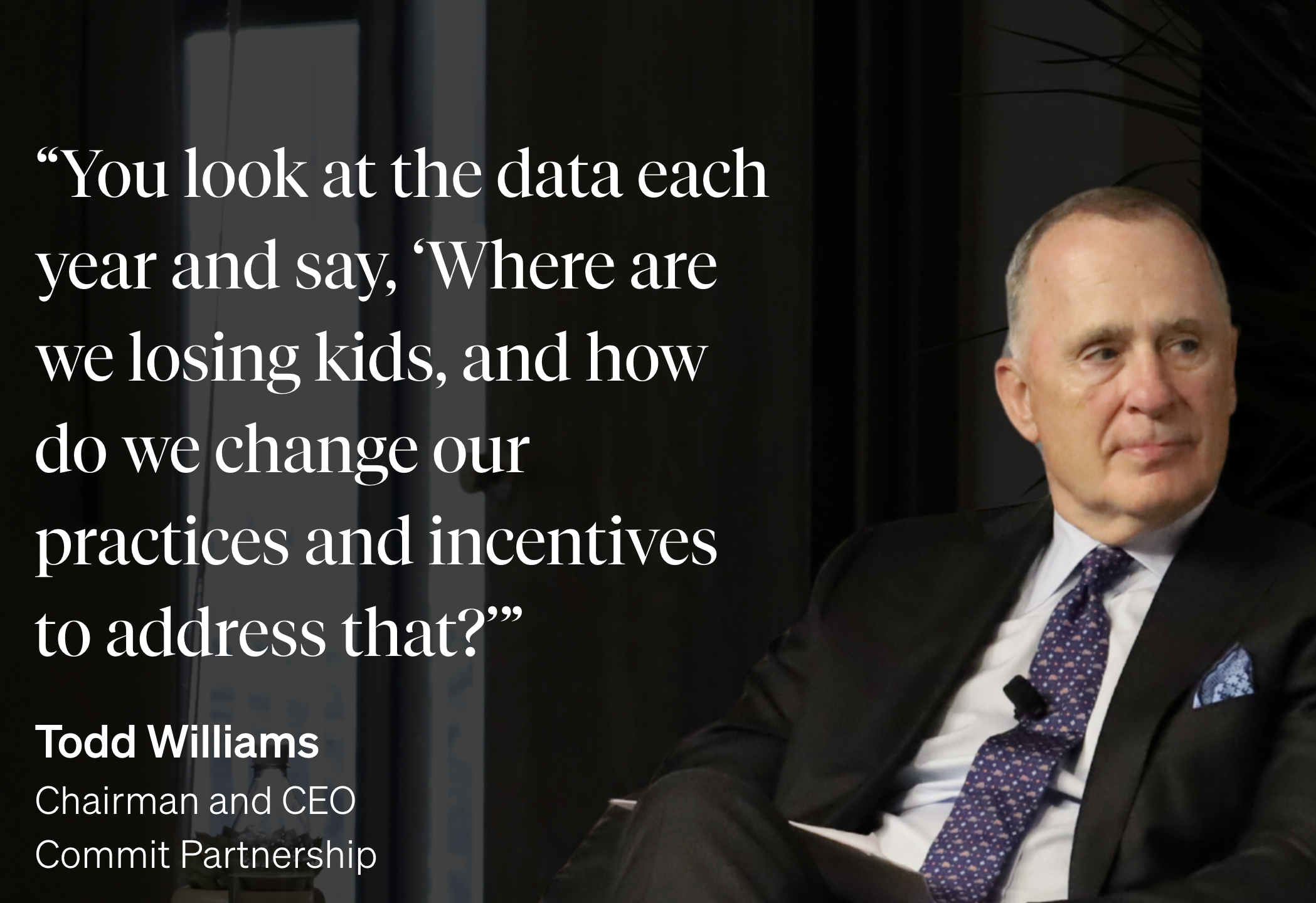
“You look at the data each year and say, ‘Where are we losing kids, and how do we change our practices and incentives to address that?’” said Todd Williams during the panel discussion.
School systems are updating pathways, expanding dual credit and P-TECH opportunities and increasing work-based learning so students begin connecting to high-demand careers early. Community colleges then build on that foundation with short-term stackable programs, stronger advising and close industry partnerships, supported by new funding tied to credentials that lead to good jobs.
Across this continuum, districts, colleges and employers are working together to design aligned curriculum, share data and improve navigation supports so students easily transition from K-12 into postsecondary and ultimately into the workforce.
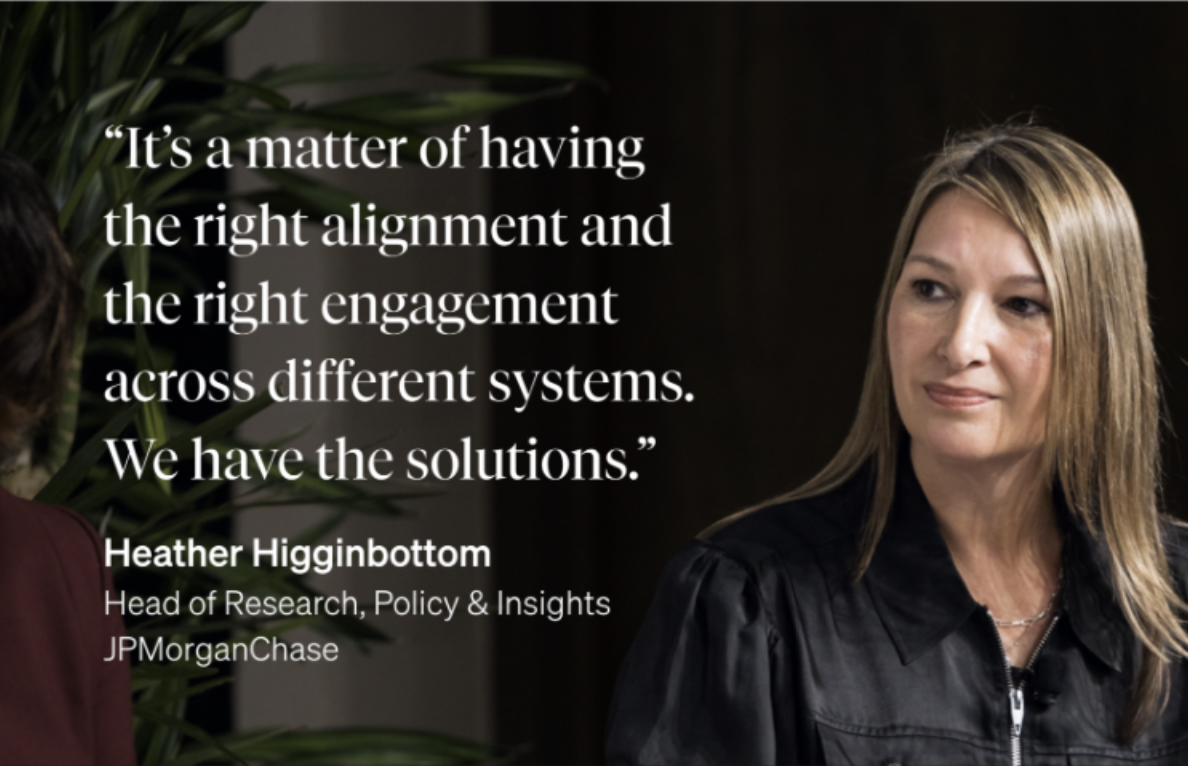
“It’s a matter of having the right alignment and the right engagement across different systems. We have the solutions,” added Heather Higginbottom.
Through intentional collaboration, more informed decisions about our students' futures are emerging, setting them on track to be prepared for the workforce and living-wage attainment. Our students are the solution to a better economic future and school systems, business and government leaders must adopt this holistic approach to produce better outcomes across industries.
"The world has shrunk, which means the opportunities for our students have exploded. We just have to be better at connecting our students with the skills that make them hirable anywhere,” said Chancellor Russell Lowery-Hart.

To Learn more about how education fuels the workforce, read JPMorgan Chase’s recent report on "Expanding high-quality career pathways in Texas”
Latest Learnings

Be a part of the impact



.avif)


